The Problem
Single-use plastic bottles remain a major environmental issue in the UK, with millions used daily and a significant proportion not recycled, contributing to pollution and waste. Reusable bottles have been promoted as a sustainable alternative, aiming to reduce reliance on single-use plastics.
However, their effectiveness depends on consistent, long-term use. Due to higher manufacturing impacts, reusable bottles must be used hundreds of times to offset their environmental cost. Social trends and overconsumption have led many people to own multiple bottles without using them sufficiently, often continuing to purchase single-use options.
This project explores the gap between intention and behaviour, highlighting the need to encourage more mindful, sustained use of reusable products.
The Reason
Through my market research I was able to identify the 4 main reasons for reusable bottle replacement and disposal:
Damage = The bottle broke in areas that rendered it unusable
Hygiene = The bottle was not cleaned effectively by the user so became dirty and once again unusable.
Function = Many people purchases different types and styles of bottles e.g. a big bottle for at home and a small one to carry in their bag.
Aesthetic = People simply get bored of their bottle or find a new one the like the look of better on a shelf.
Idea Development
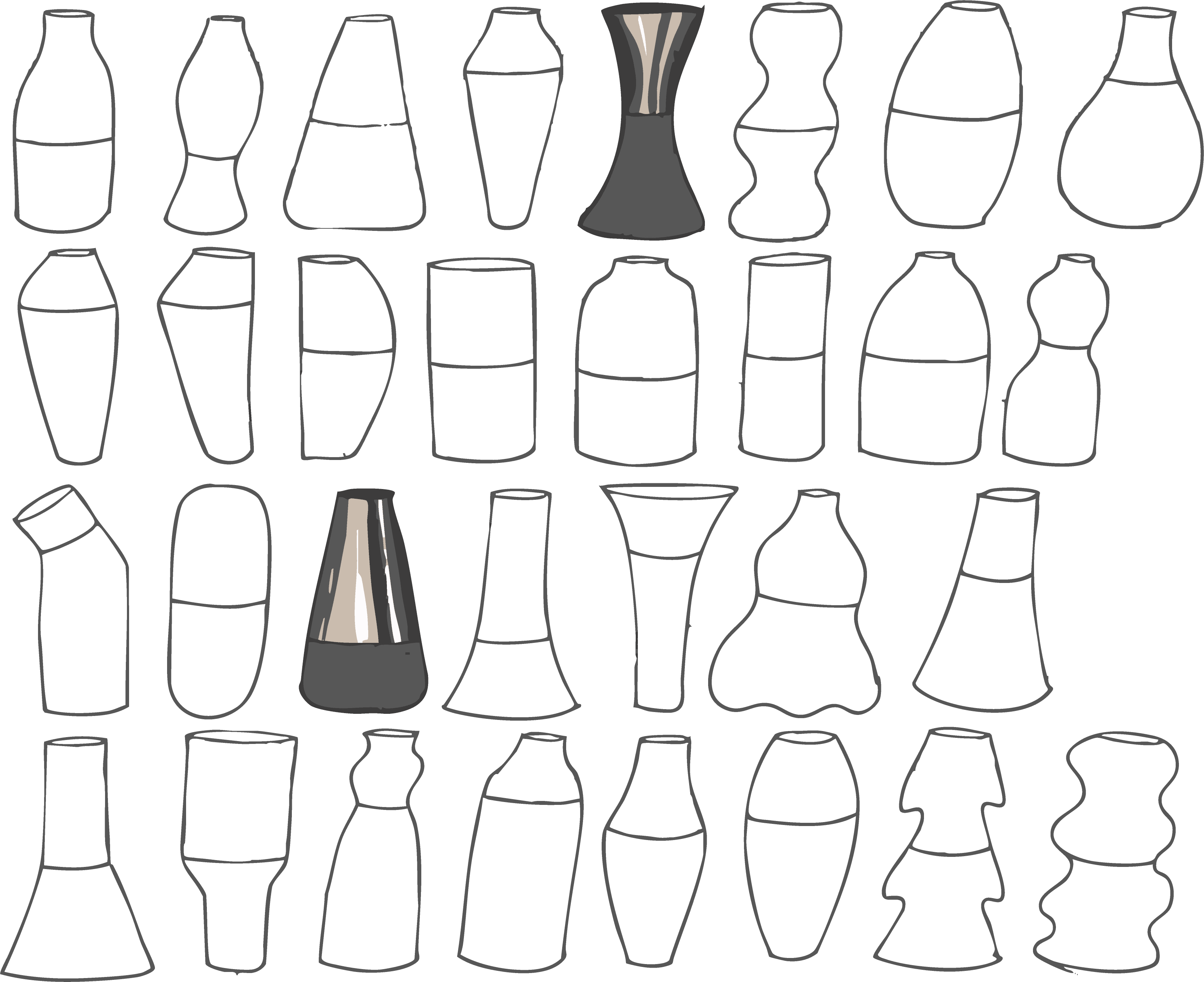
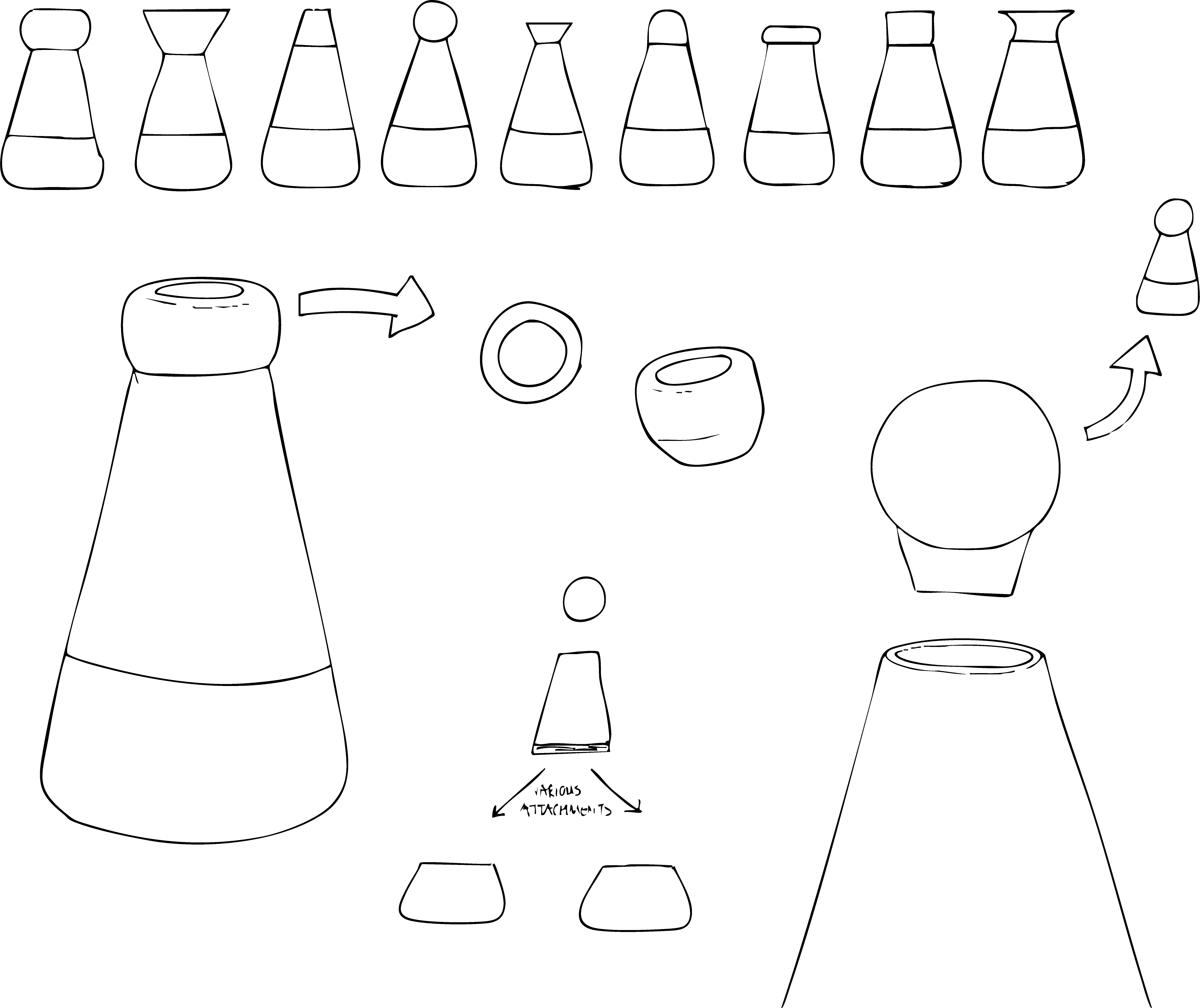
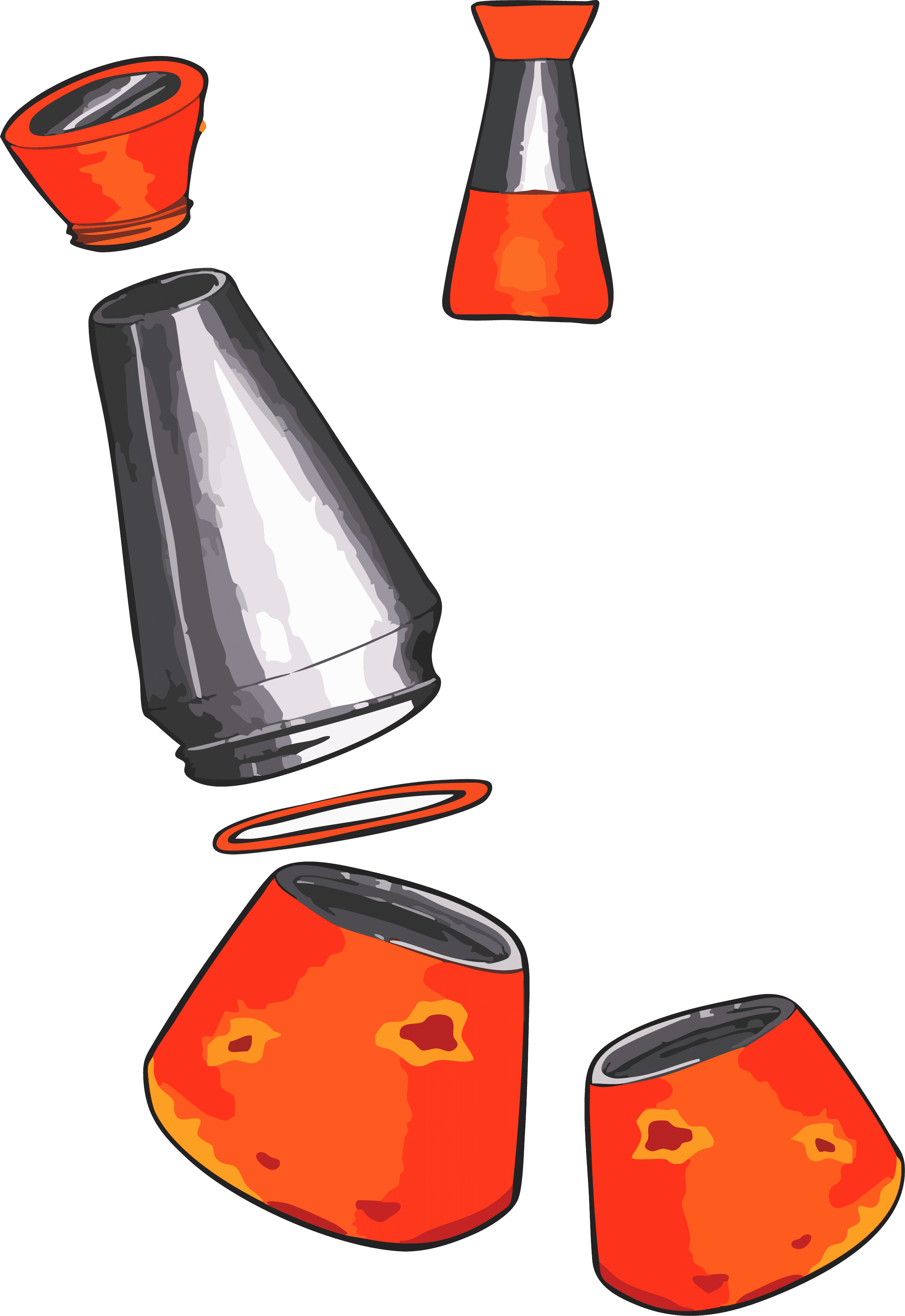
I began developing an idea of a reusable bottle that responds to all 4 of the reasons for replacement previously identified in my research.
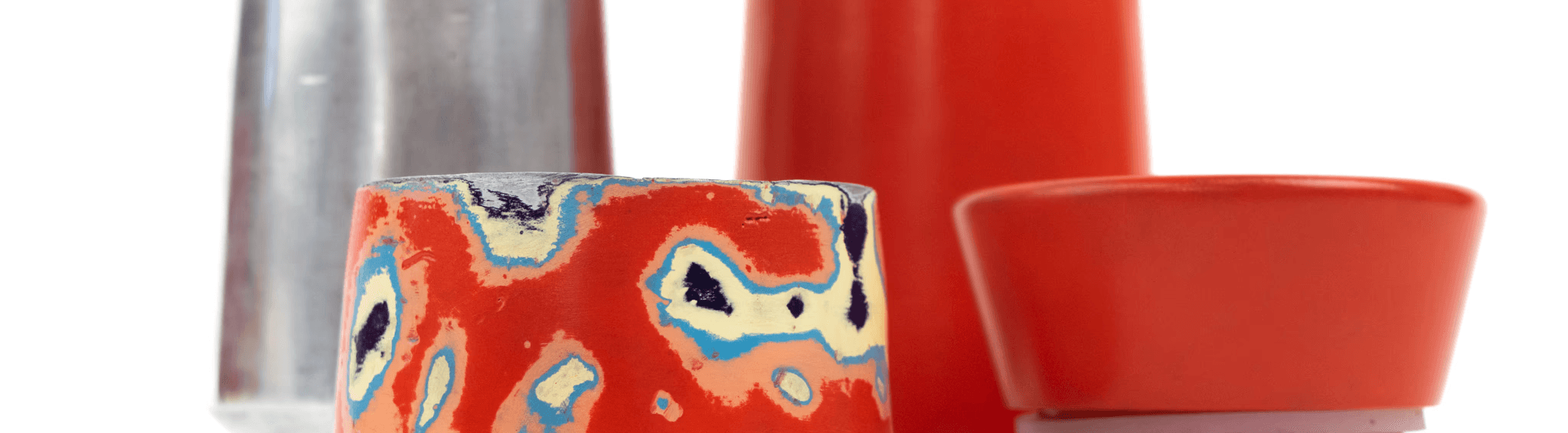
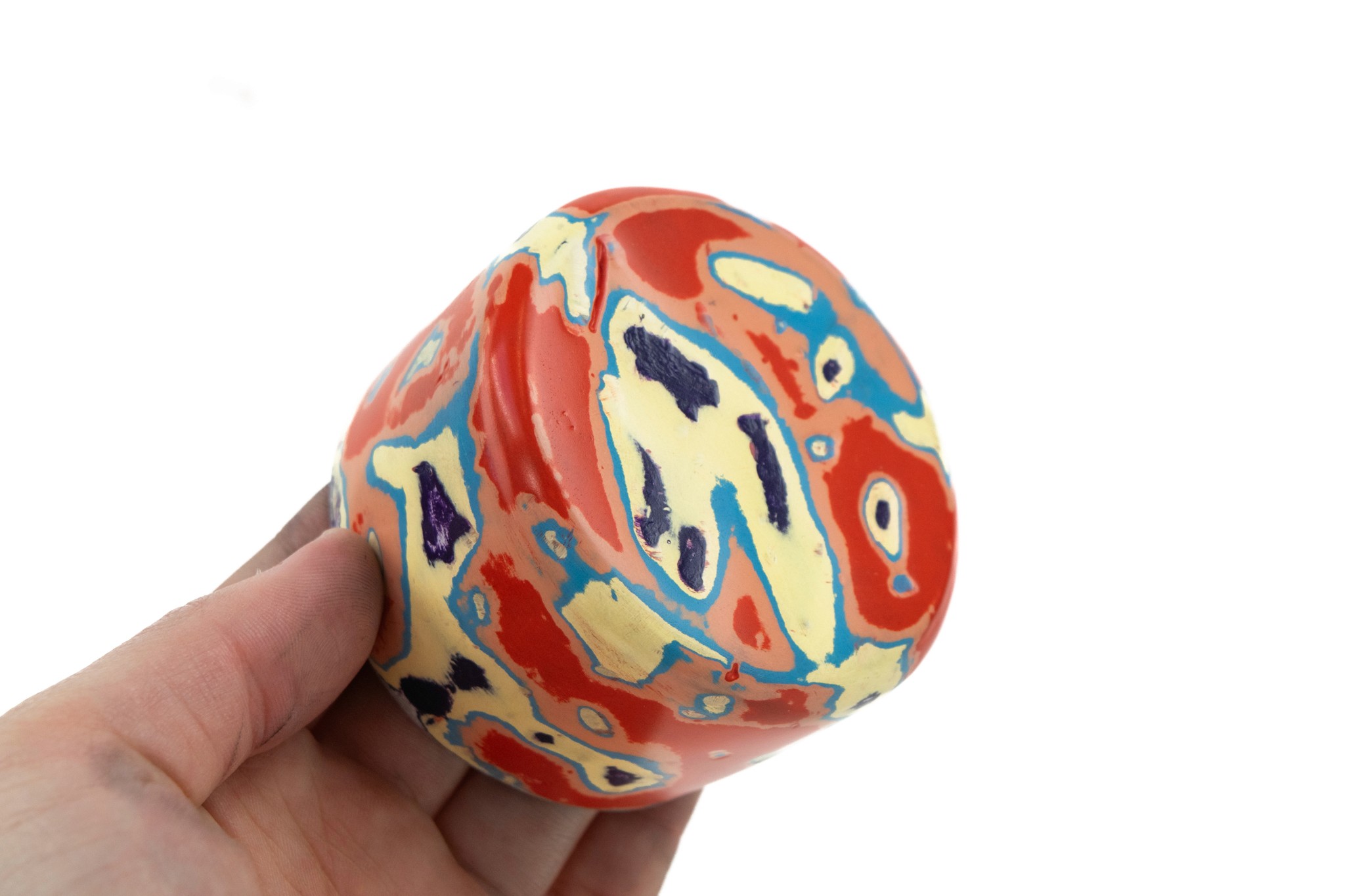
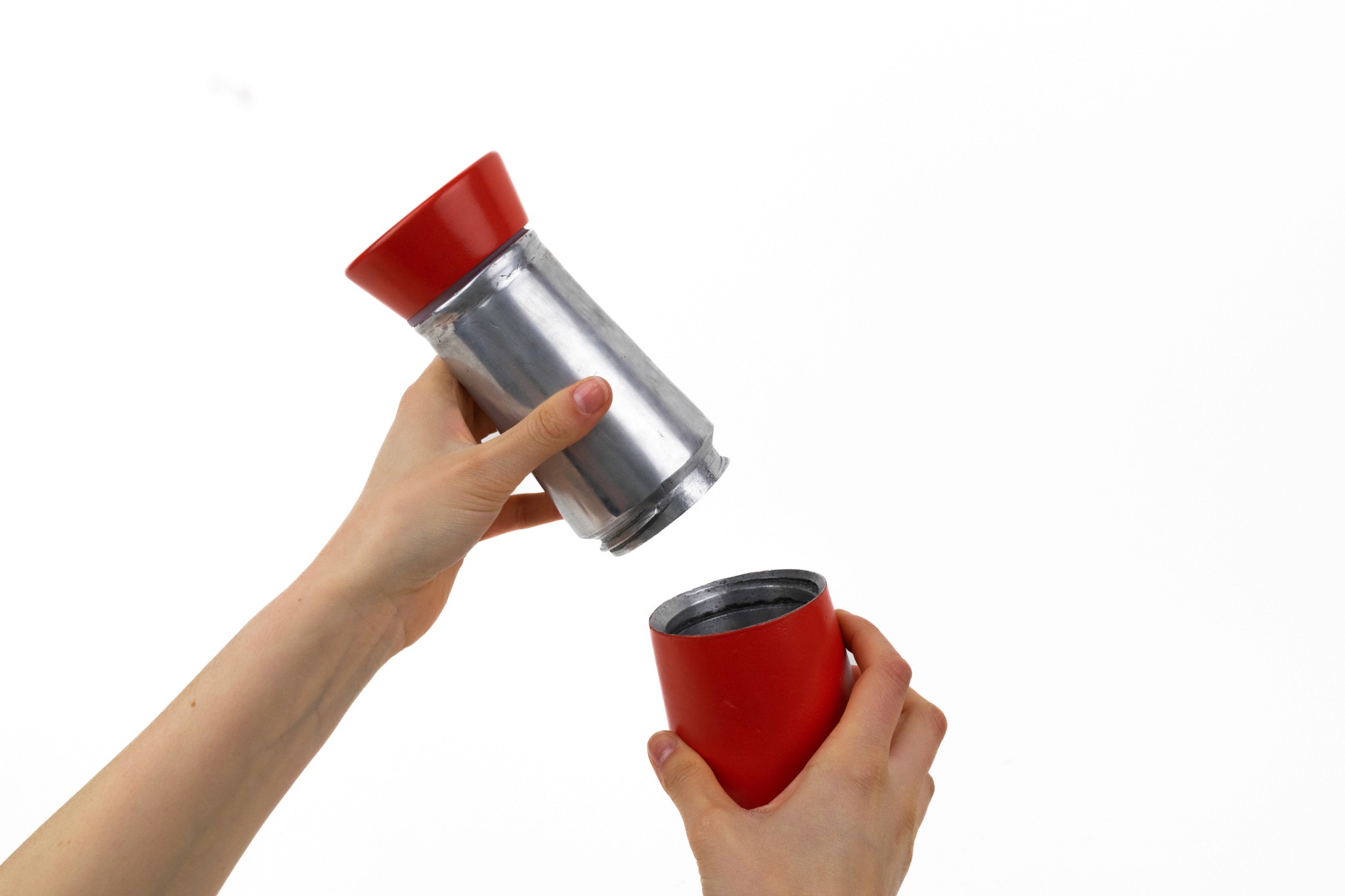
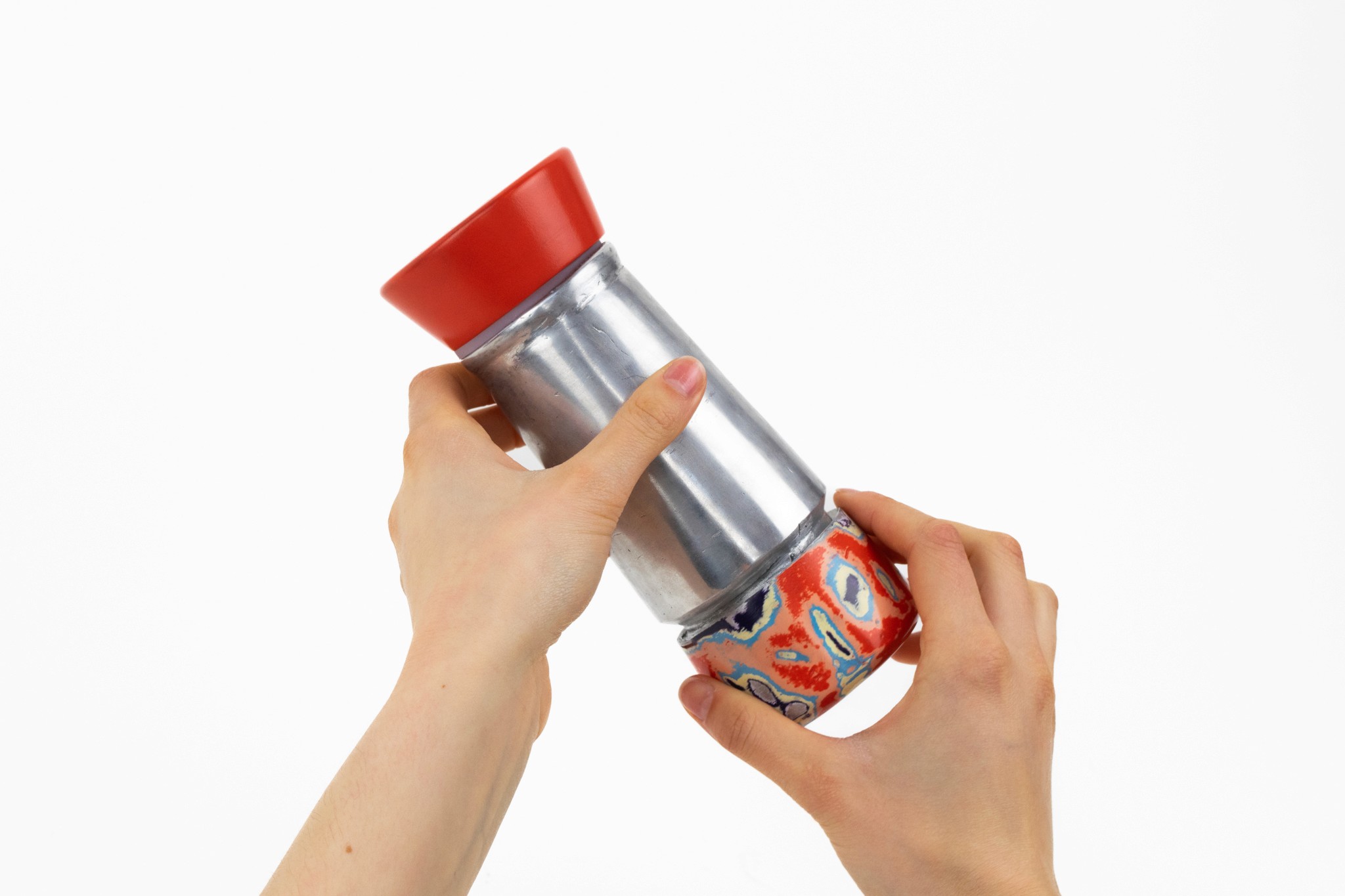
This bottle is modular which makes it easy to clean and change for preferences. Additionally, the paint layers on the base not only being appreciation to the damage but also allow the bottle to change colour over time.
Paint Testing

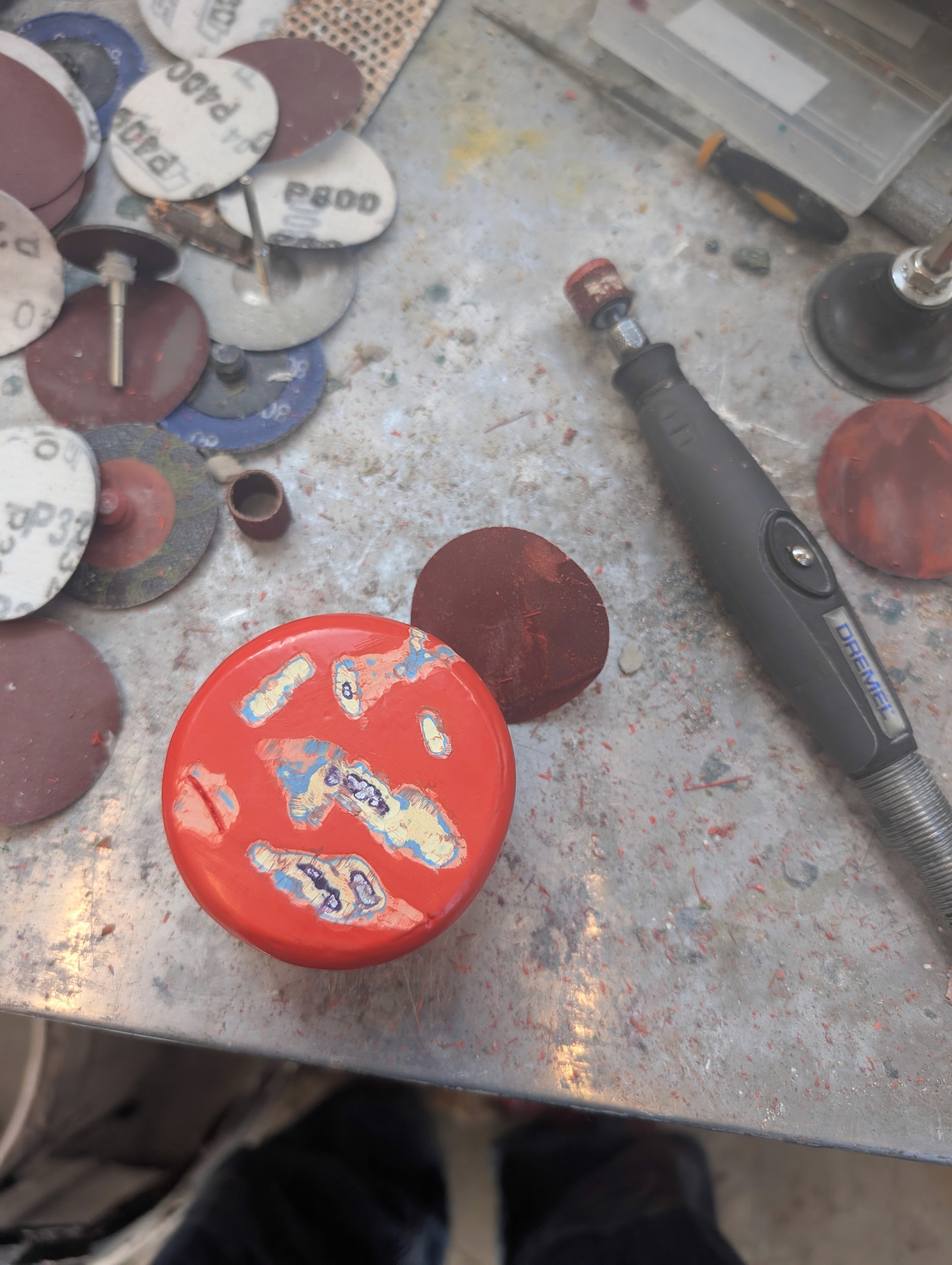
I completed various paint tests with multiple different paint types until I identified the most efficient way to get the desire effect of the layers wearing away to reveal colours.
I used layers of acrylic spray paint, along with an iniital prime coat and 24 drying time between layers.
I then used a dremel to wear through the layers, and wet and dry paper to soften the edges of the paint.
Branding & Packaging
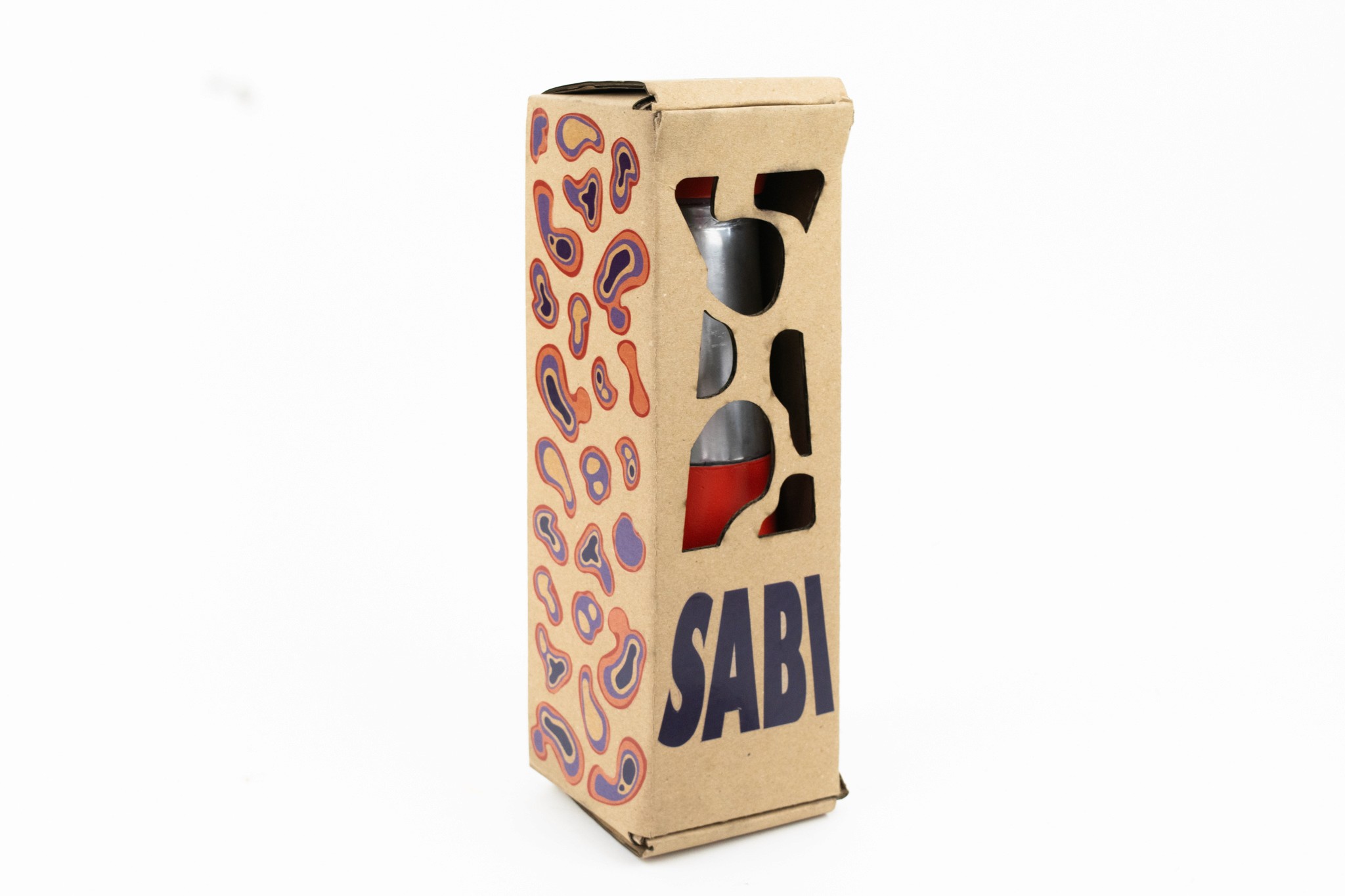
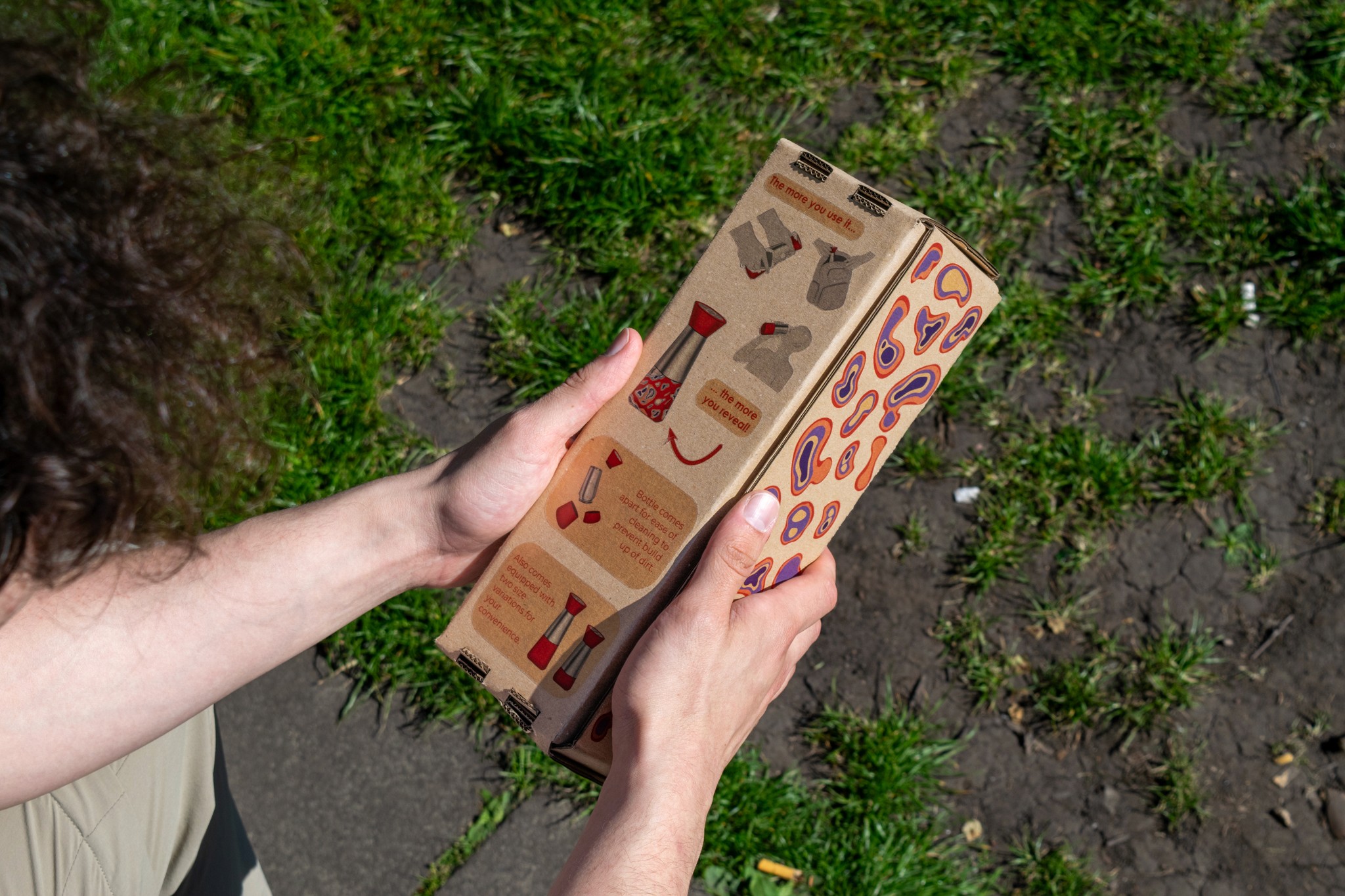
Finally, to bring my product to life, I generates the branding and created packaging for my product. This stage really elevated the product and shows how important finishing touches are to the appreciation of a design.

Aluminium Casting
In order to create the body of my bottle, I decided to cast it in aluminium.
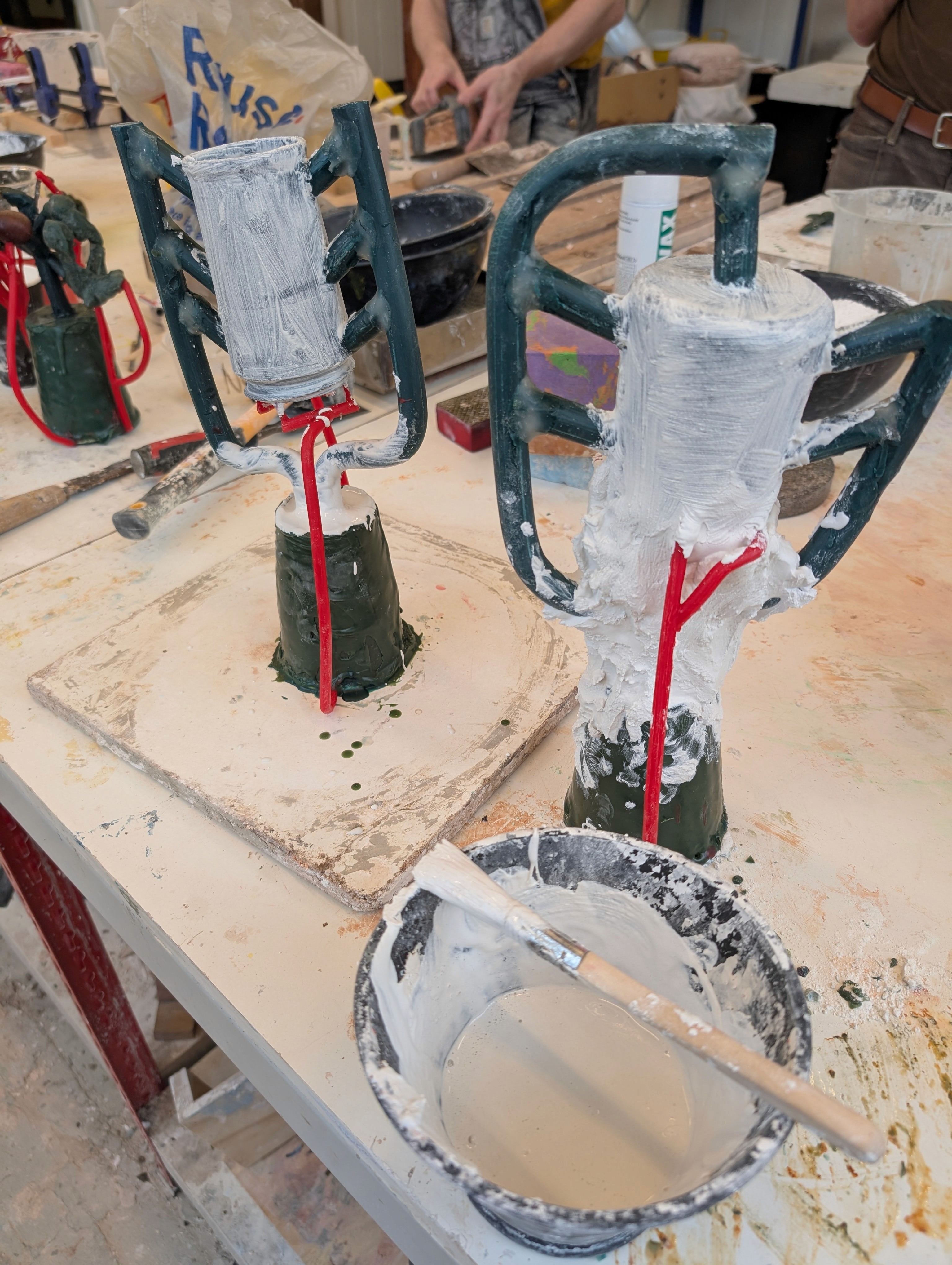
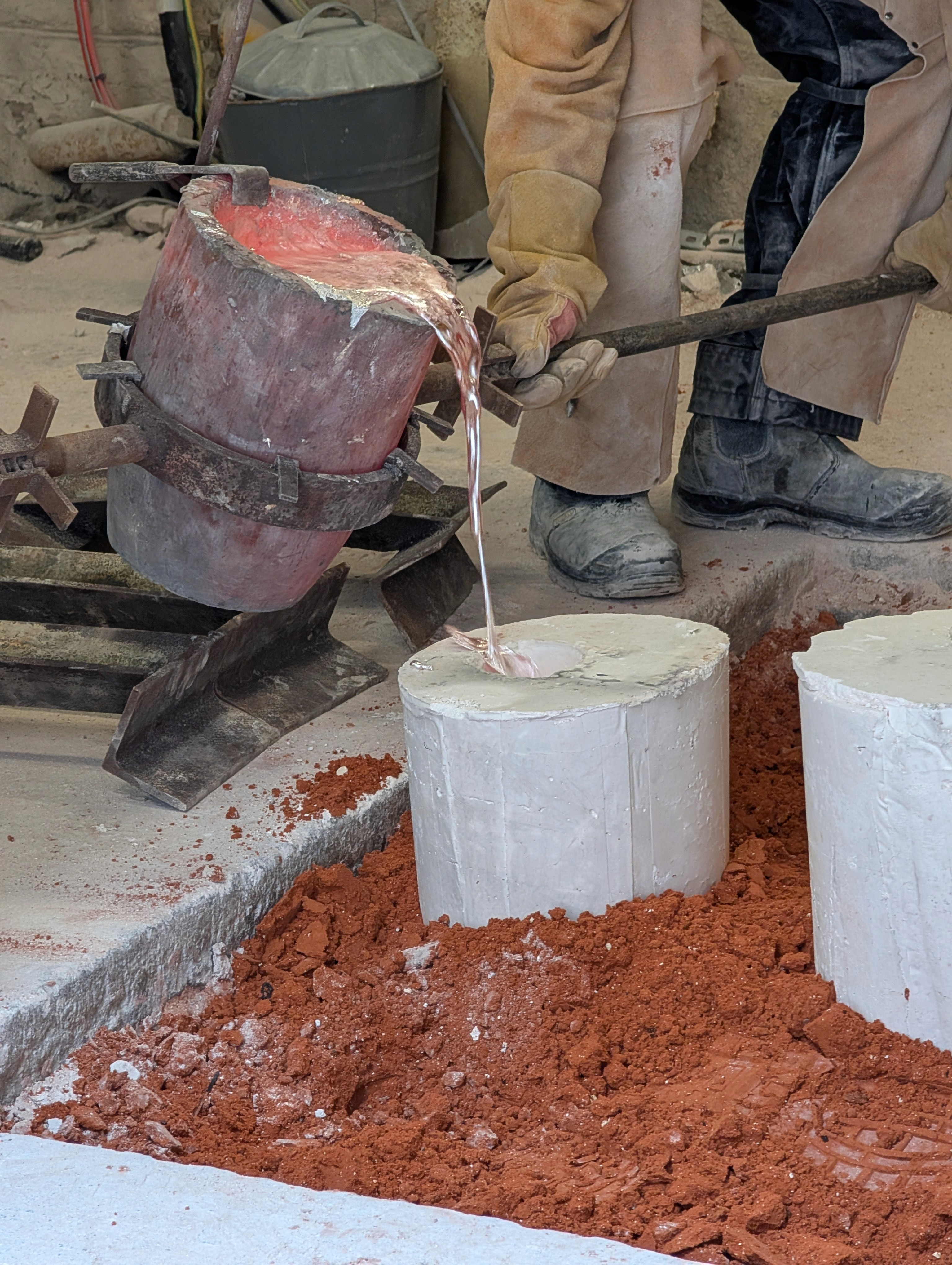
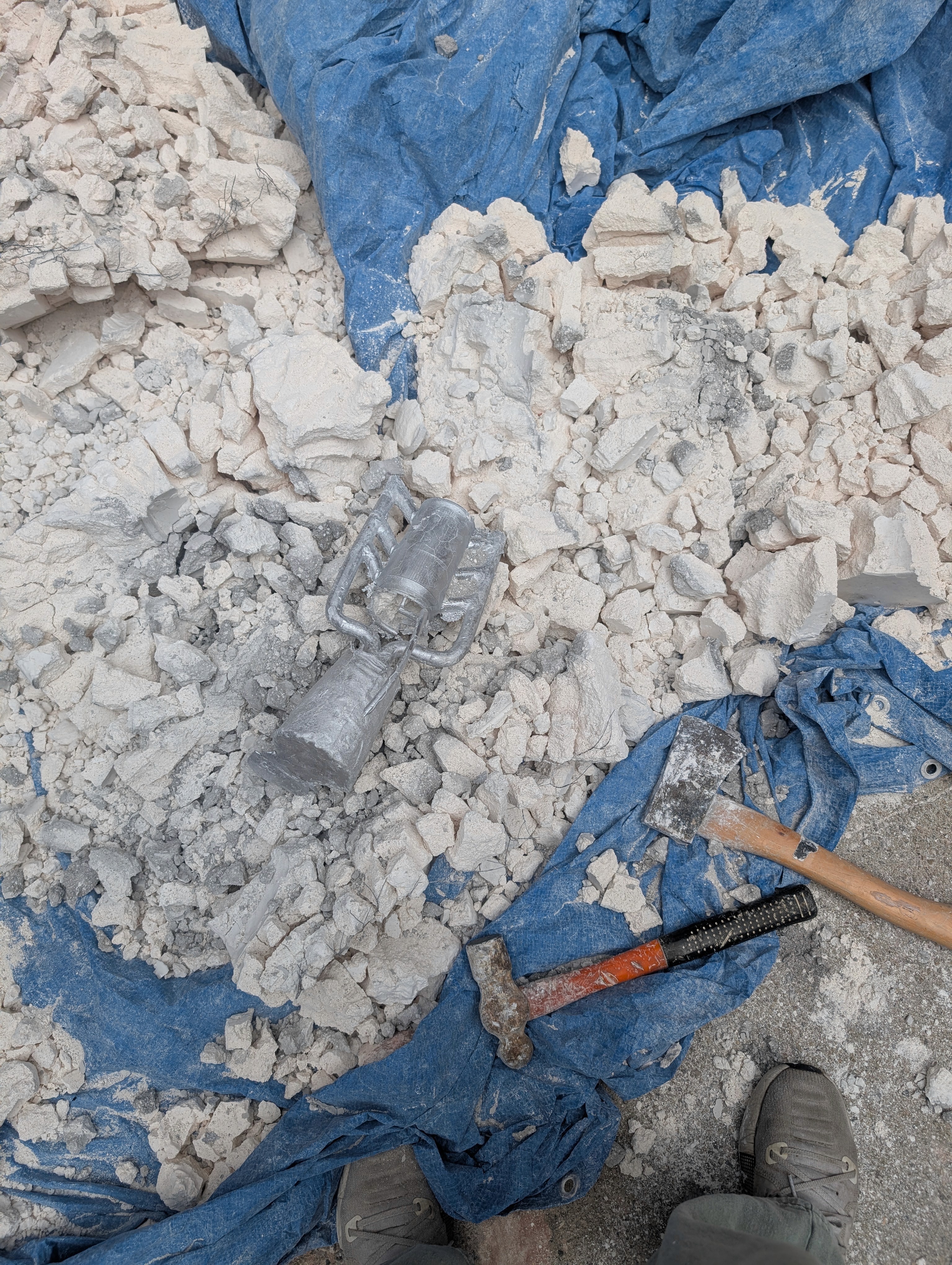
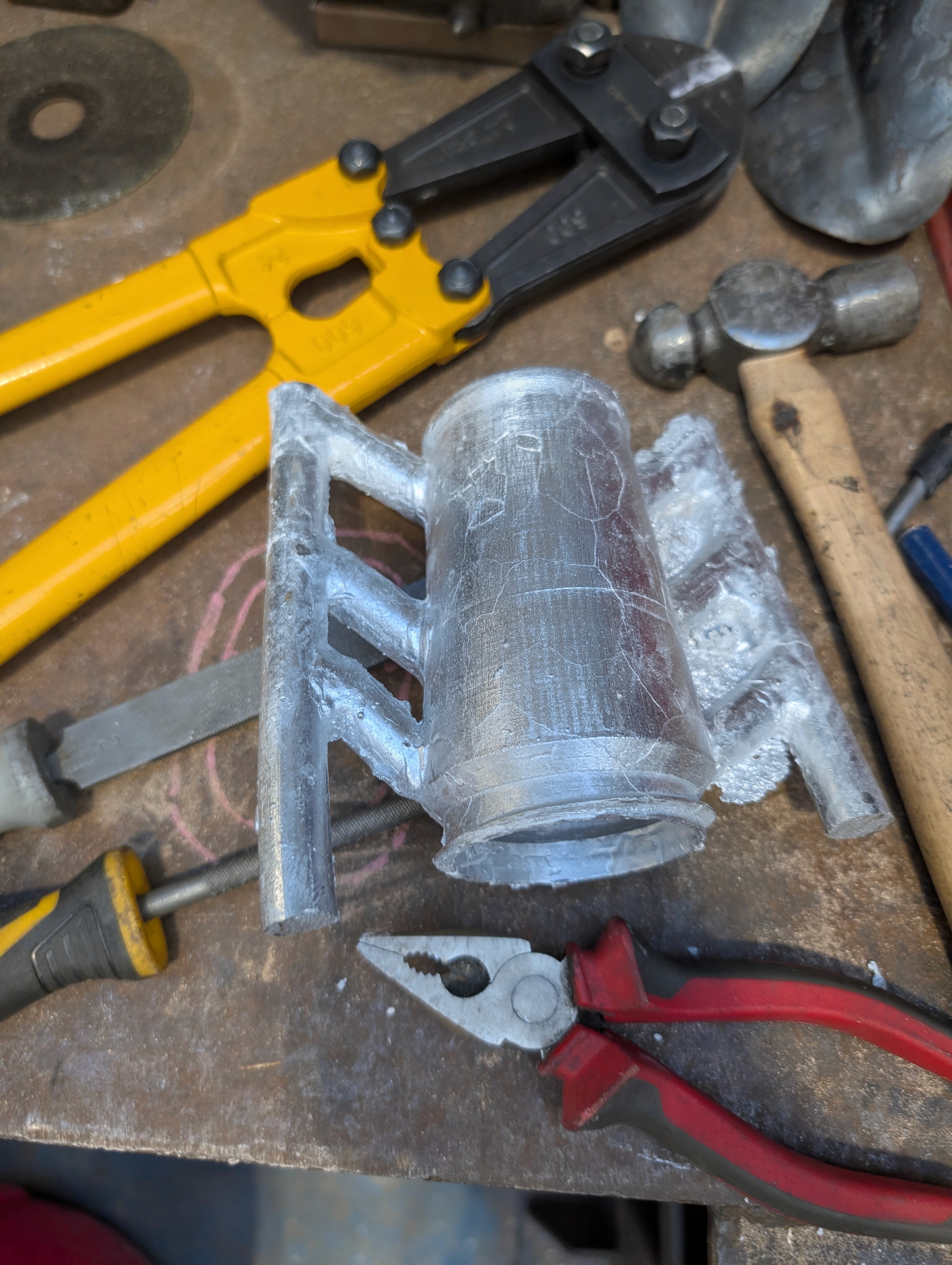
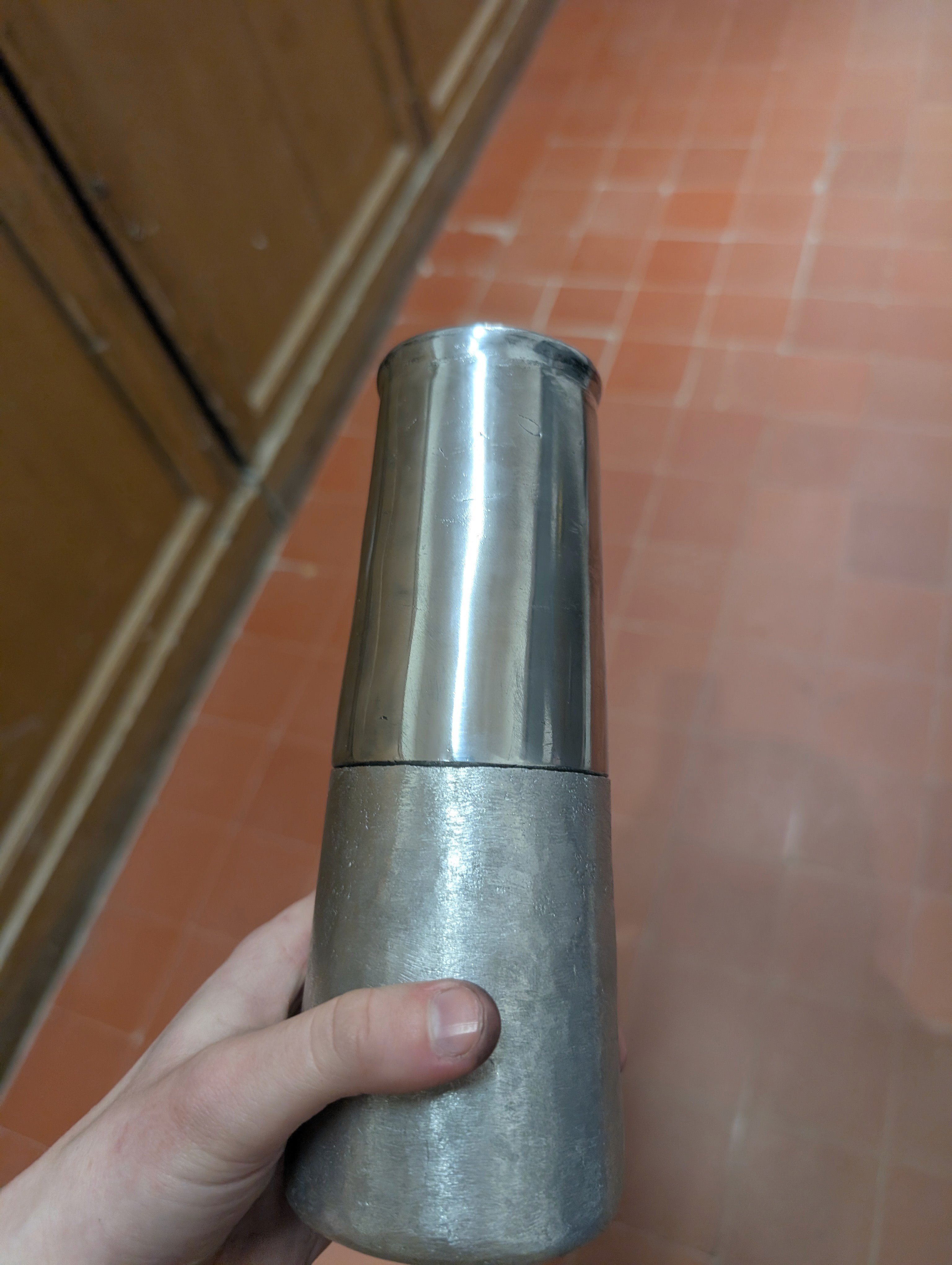
I started by 3D printing my design, and then using the prints to build up a plaster cast of the model
Aften the mould was put in the kiln, I was able to pour molten aluminium into it.
When I broke open the mould, the body of my bottle had been completely cast in the amunium, along with the material and air vents.
I then proceeded to saw off the extra material, and file the surface down to a smooth finish. I completed this whole stage by hand.
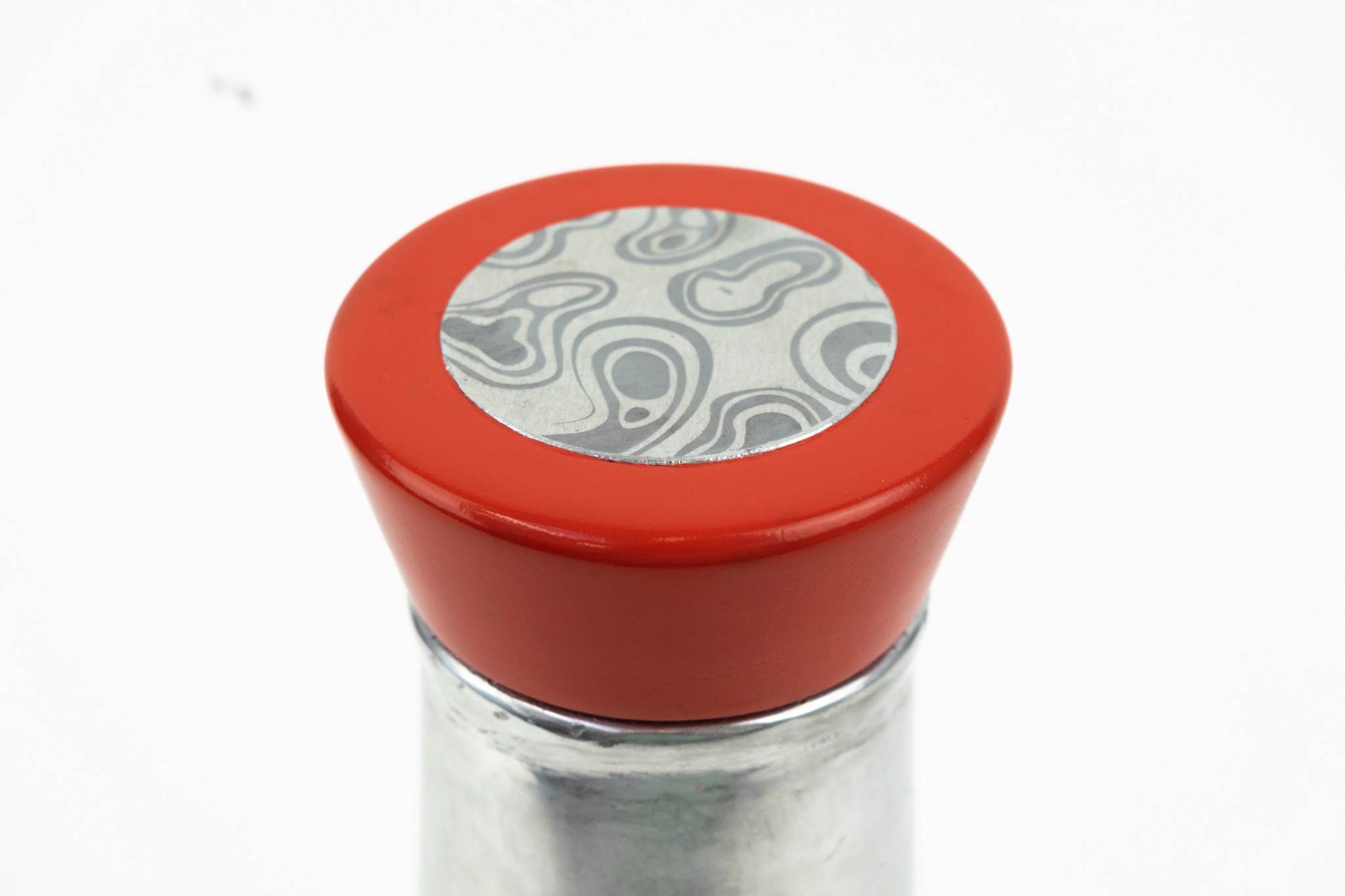
Finally, using various grits of sandpaper and levels of polish I was able to create a mirror finish on the main body of my bottle.
Product Storyboard
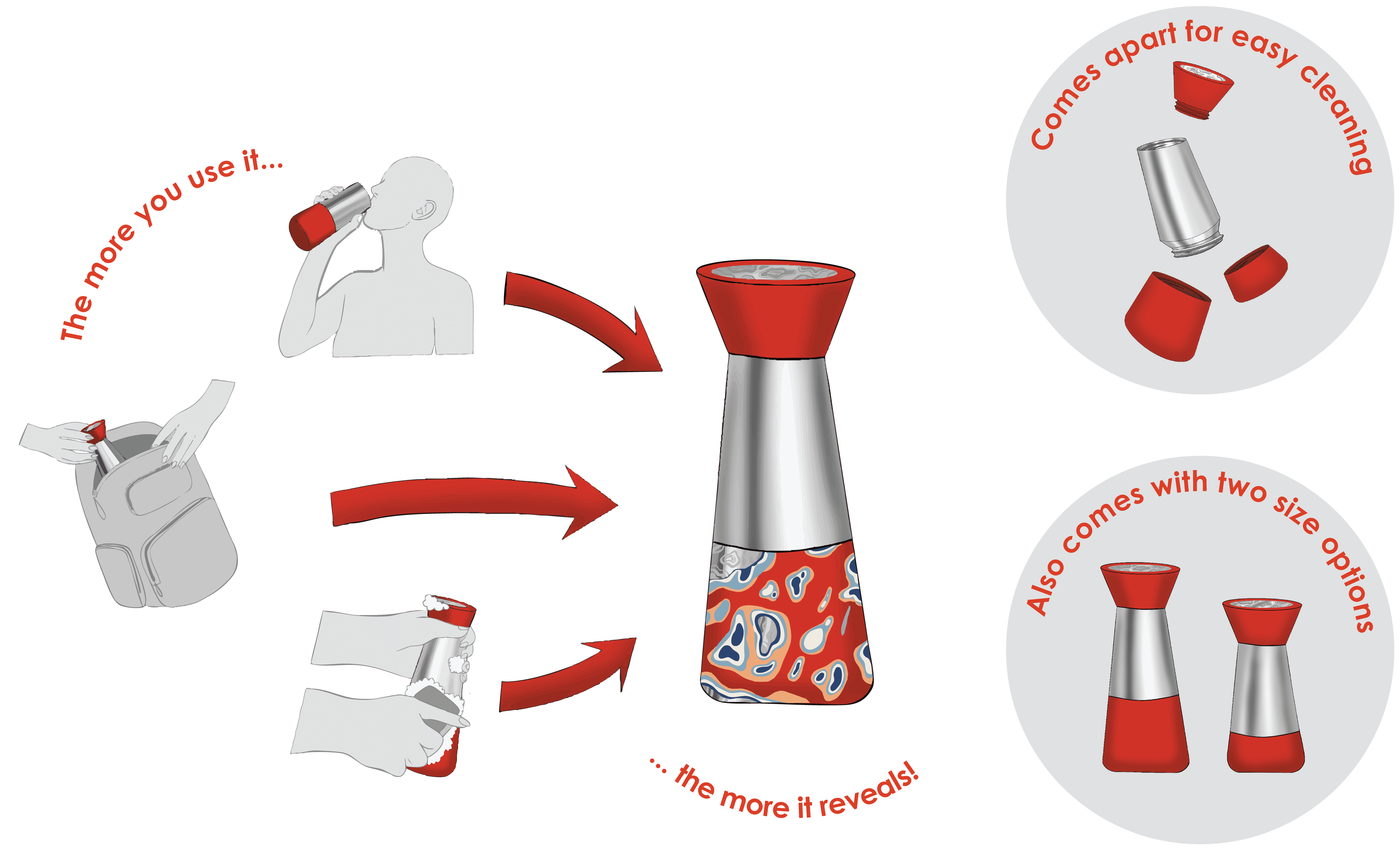
A collection of everyday household products that have been designed so that their form reminds the consumer of their individual responsibilities when it comes to the climate crisis. The aim is that users will see these object everyday as a constant but subtle reminder of what they can do to help.
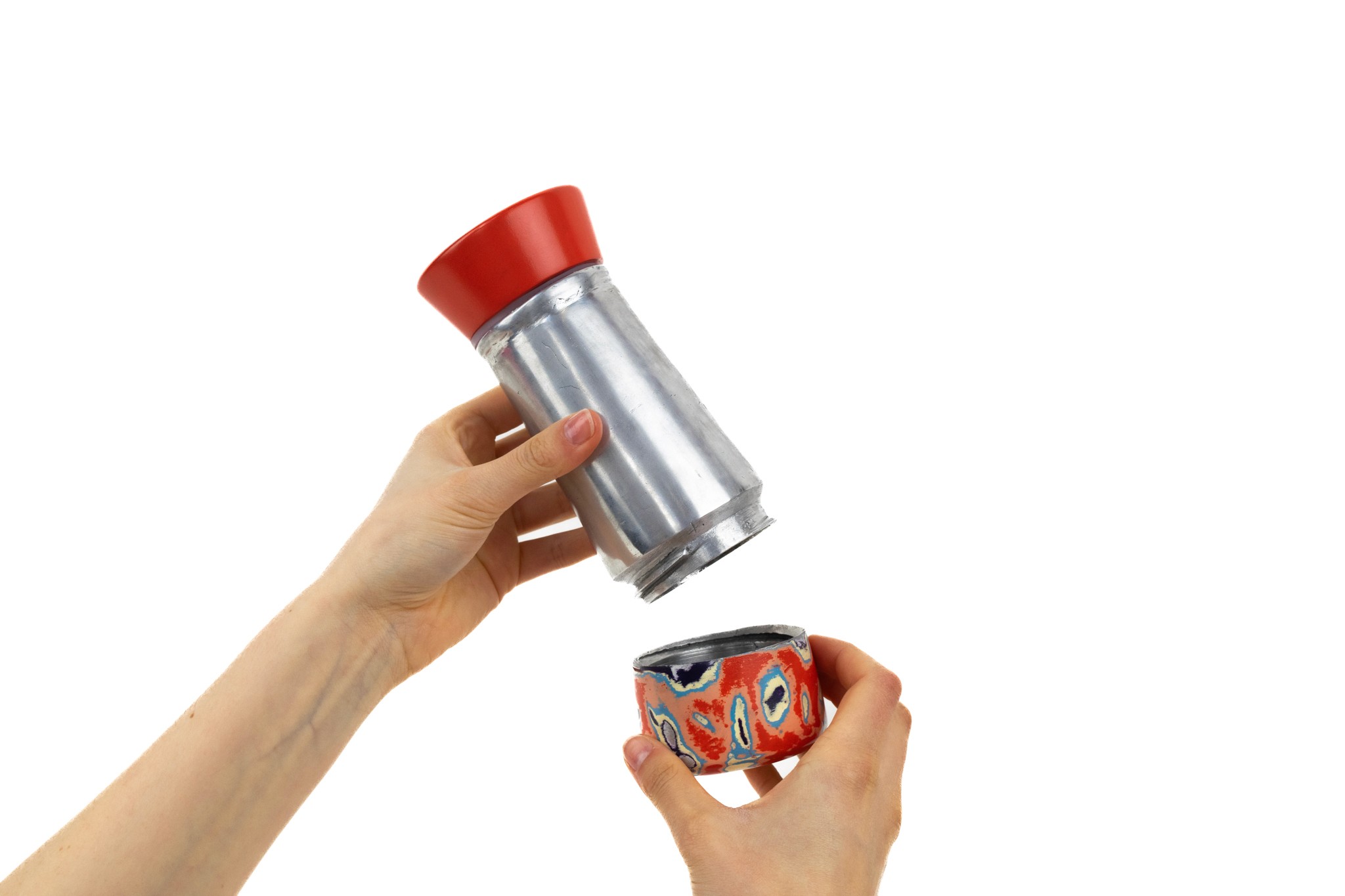
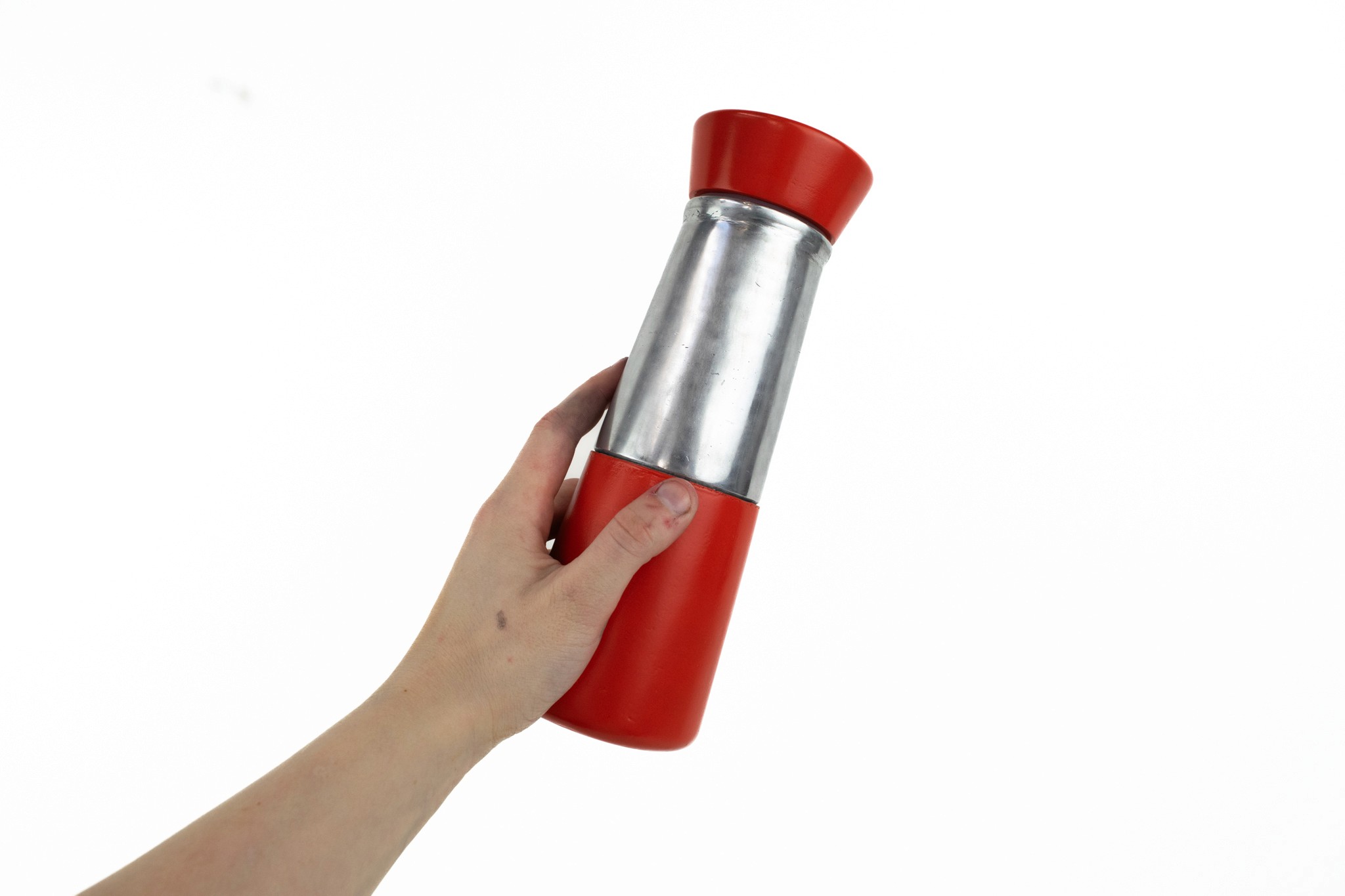
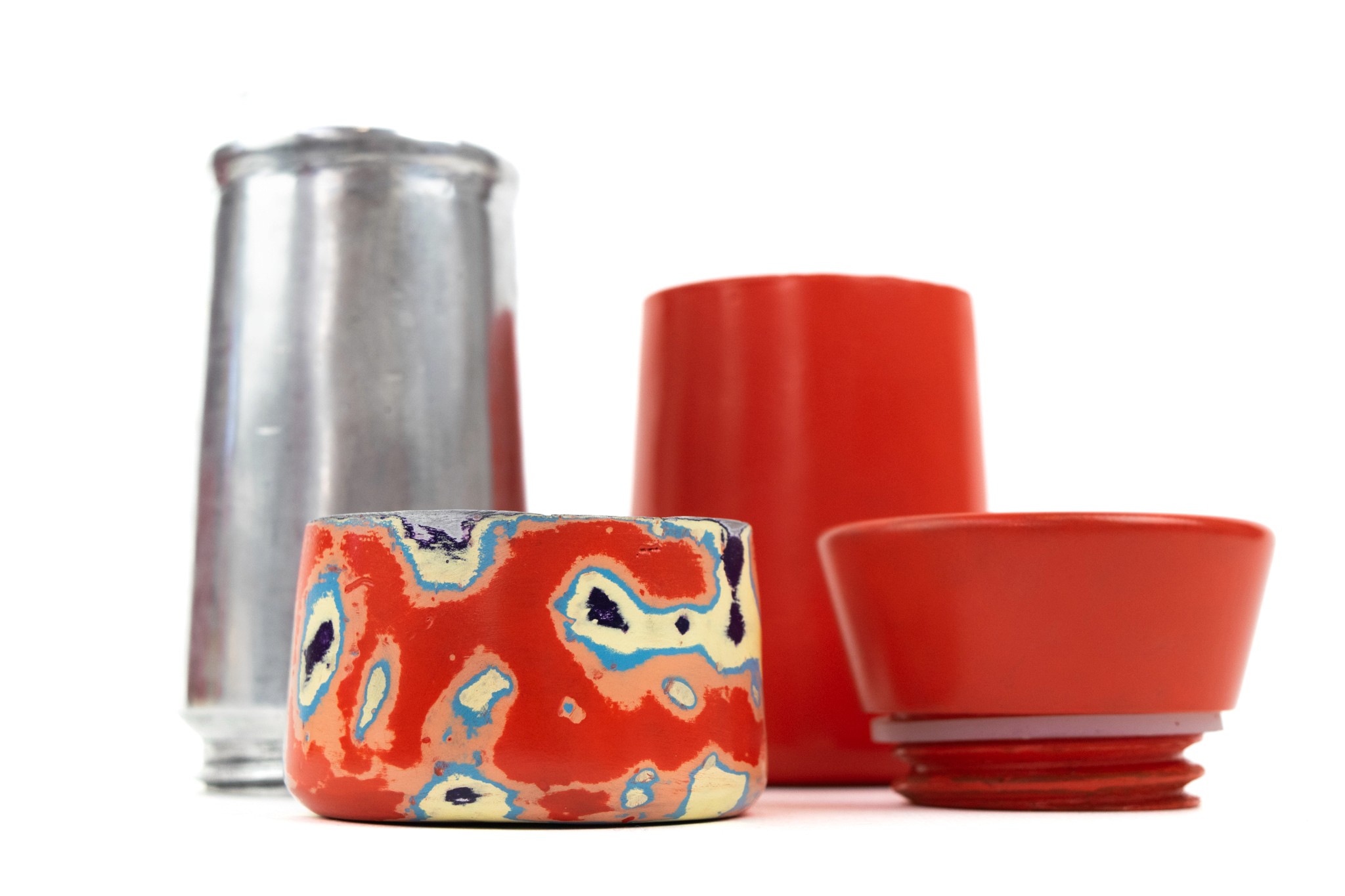
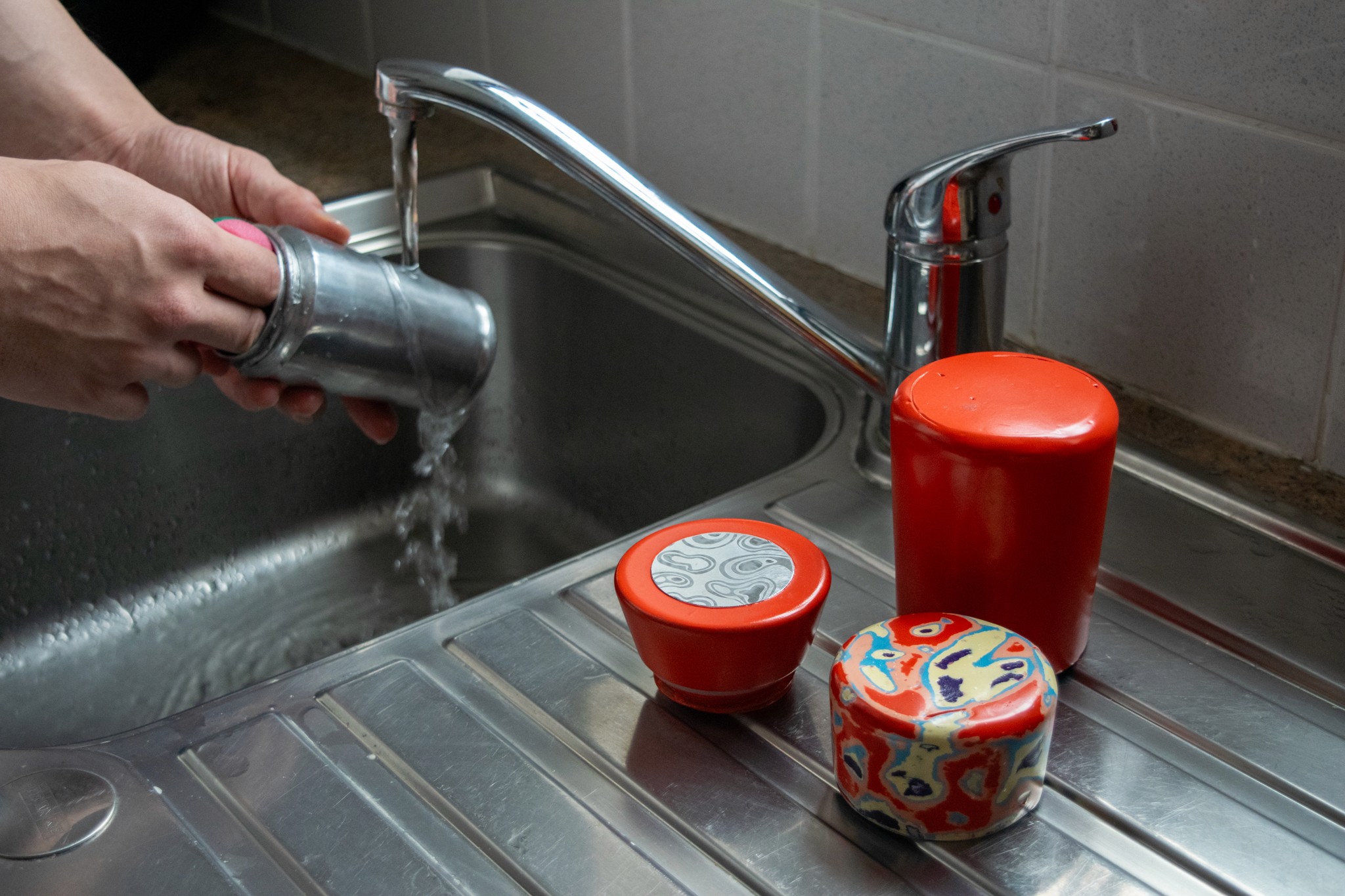
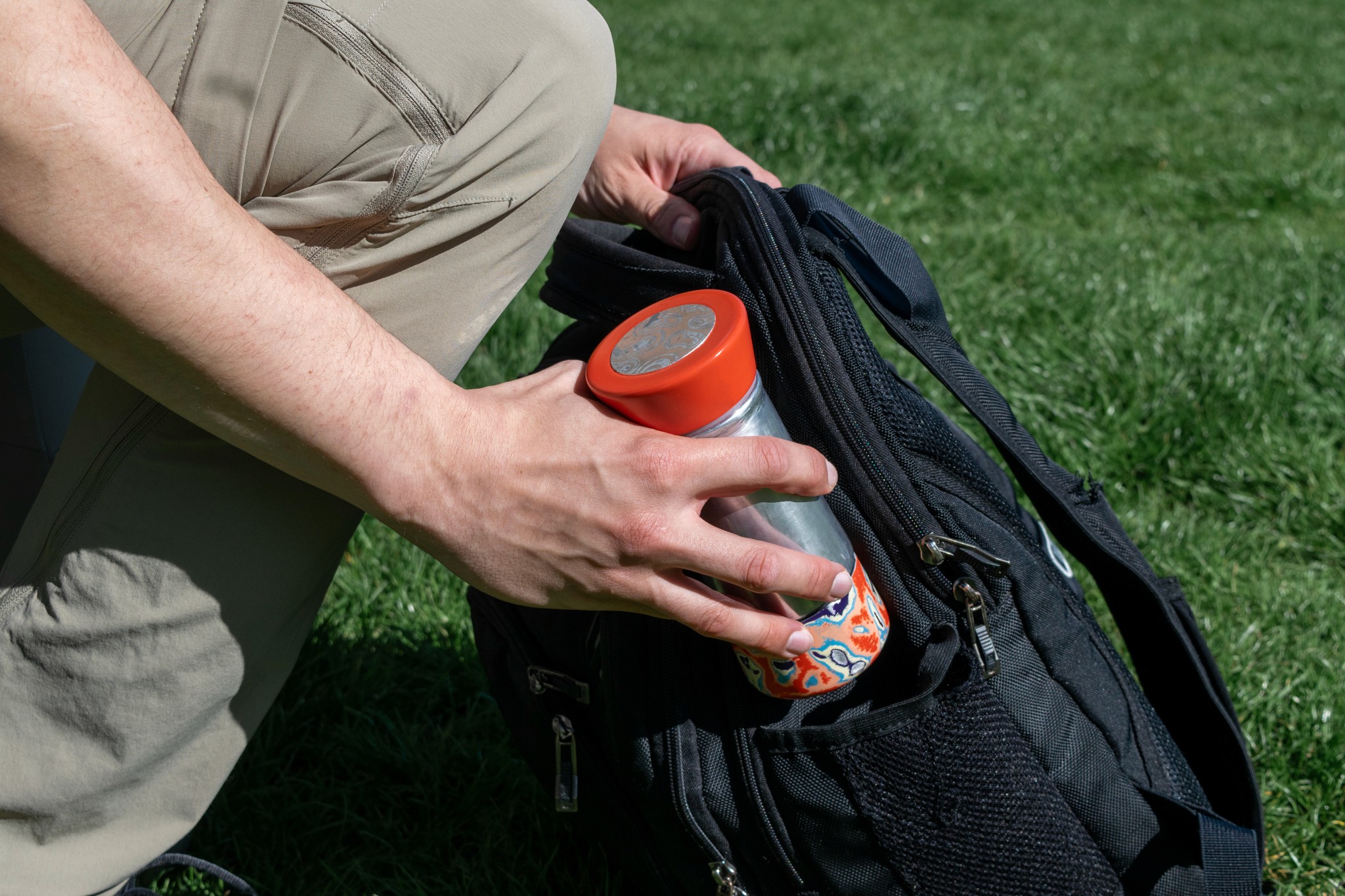
Final Product
roseharvey23@hotmail.com
@roseharvey_designs
www.linkedin.com/in/rose-harvey-design